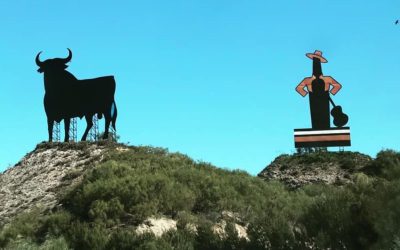

Photo by Anastasia Shyrokykh on Unsplash
About Spain
Spain is a country located in southwestern Europe, known for its sunny beaches, mouth-watering cuisine, and lively fiestas. It’s also the land of flamenco, bullfighting, and a language that is spoken by millions of people around the world: Spanish.
The capital city of Spain is Madrid, but there are many other vibrant cities to explore such as Barcelona, Seville, and Valencia. Whether you’re into art, architecture, or simply soaking up the local culture, Spain has something for everyone.
Oh, and did we mention the food? From paella to tapas, Spanish cuisine is full of delicious flavors and regional specialties that will leave your taste buds begging for more. So grab a glass of sangria and let’s get ready to explore this amazing country!
Capital City
Madrid
Head of State
Pedro Sánchez (President 2016 – present)
King Felipe VI of Bourbon and Greece
Government
Kingdom of Spain – parliamentary constitutional monarchy
Official Language(s)
Castilian Spanish
In addition to Spanish, there are also several co-official regional languages in different parts of the country, including Catalan, Basque, and Galician.
Religion
Roman Catholic 58.2%, atheist 16.2%, agnostic 10.8%, other 2.7%, non-believer 10.5%, unspecified 1.7% (2021 est.)
Life Expectancy
82.78 years (2023) Male 80.08, female 85.61
Location
Spain is located on the Iberian Peninsula, which is in the southwestern part of Europe, bordering France, Portugal, and the Mediterranean Sea.
Currency
Euro €
Population
47,222,613 (2023 est.)
National Holiday
12 October (1935) Fiesta Nacional de España (previously known as Día de la Hispanidad).
Area
total: 505,370 sq km; land: 498,980 sq km; water: 6,390 sq km
NOTE: there are two autonomous cities – Ceuta and Melilla – and 17 autonomous communities including Balearic Islands and Canary Islands, and three small Spanish possessions off the coast of Morocco – Islas Chafarinas, Penon de Alhucemas, and Penon de Velez de la Gomera
Time Zone(s)
Spain follows one time zone – Central European Time (CET) Coordinated Universal Time (UTC+1). During the summer months, Spain observes Daylight Saving Time, which shifts the clocks forward one hour, so it is two hours ahead of UTC (UTC+2).
17 Regions
| Name of Region | Capital City | Other Popular Cities |
| Andalusia | Seville | Granada, Málaga, Córdoba |
| Aragon | Zaragoza | Huesca, Teruel |
| Asturias | Oviedo | Gijón, Cudillero |
| Balearic Islands | Palma de Mallorca | Ibiza, Menorca, Formentera |
| Basque Country | Vitoria-Gasteiz | Bilbao, San Sebastián |
| CanaryIslands | Santa Cruz de Tenerife | Las Palmas de Gran Canaria, Tenerife, Lanzarote |
| Cantabria | Santander | Comillas, Potes |
| Castile-La Mancha | Toledo | Toledo, Cuenca, Albacete |
| Castile and León | Valladolid | Salamanca, Burgos, Segovia |
| Catalonia | Barcelona | Girona, Tarragona, Lleida |
| Valencian Community | Valencia | Alicante, Benidorm, Denia |
| Extremadura | Mérida | Cáceres, Badajoz |
| Galicia | Santiago de Compostela | A Coruña, Vigo |
| La Rioja | Logroño | Haro, Santo Domingo de la Calzada |
| Madrid | Madrid | Alcalá de Henares, Segovia, Toledo |
| Murcia | Murcia | Cartagena, Lorca |
| Navarre | Pamplona | Olite, Tudela |
History
Spain has a long and complex history, dating back thousands of years. Some of the earliest known civilizations in the region were the Iberians, Celts, and Phoenicians. Over the centuries, Spain was invaded and ruled by various groups, including the Romans, Visigoths, and Moors.
In the 15th and 16th centuries, Spain became a dominant world power, with a vast empire that included territories in the Americas, Asia, and Africa. This period, known as the Spanish Golden Age, was marked by significant cultural, artistic, and scientific achievements, including the works of Miguel de Cervantes and the paintings of Diego Velázquez.
In the 19th and early 20th centuries, Spain experienced significant political turmoil, including the loss of its colonies in the Spanish-American War and the rise of dictatorships under Miguel Primo de Rivera and Francisco Franco. Following Franco’s death in 1975, Spain transitioned to a democratic government and has since become a member of the European Union and a modern, industrialized nation with a vibrant cultural heritage.

Spanish Flag
The Spanish flag features three horizontal stripes of red, yellow, and red, with the national coat of arms in the center of the yellow stripe. The coat of arms consists of a shield with a red and yellow background, topped with a royal crown.
Iconic Dishes by Region
Andalusia: Gazpacho (cold tomato soup), salmorejo (a thicker tomato soup), pescaíto frito (fried fish), andalucian stew (a hearty meat and vegetable stew), flamenquín (ham and cheese rolled in pork loin).
Aragon: Ternasco de Aragón (roast lamb), migas (fried bread crumbs with chorizo and bacon), chireta (lamb tripe stuffed with meat and rice), borrajas con jamón (vegetable stew with ham).
Asturias: Fabada asturiana (a hearty bean stew with chorizo and pork), cachopo (breaded veal stuffed with ham and cheese), sidra (sparkling apple cider), quesos de cabrales (blue cheese).
Balearic Islands: Ensaimada (a sweet pastry), sobrasada (cured sausage), tumbet (vegetable casserole), arròs brut (a rice dish with meat and vegetables).
Basque Country: Pintxos (tapas-like appetizers), bacalao al pil pil (salt cod in garlic and oil), txangurro a la donostiarra (spider crab with tomato and onions), marmitako (a fish and potato stew), chuletón (grilled steak).
Canary Islands: Papas arrugadas con mojo (wrinkled potatoes with spicy sauce), gofio (toasted maize flour), sancocho (salted fish with potatoes), bienmesabe (sweet almond dessert).
Cantabria: Cocido montañés (a bean and meat stew), sobao pasiego (sweet sponge cake), anchoas de Santoña (salt-cured anchovies), orujo (grape brandy).
Castilla y León: Lechazo asado (roast suckling lamb), sopa castellana (garlic soup), morcilla de Burgos (blood sausage), hornazo (a savory pie with pork and chorizo).
Castilla-La Mancha: Migas ruleras (fried bread crumbs with garlic and chorizo), gazpacho manchego (meat and vegetable stew with bread), pisto manchego (a vegetable stew similar to ratatouille), queso manchego (sheep’s milk cheese).
Catalonia: Pa amb tomàquet (bread with tomato and olive oil), escalivada (roasted vegetables), botifarra amb mongetes (sausage with white beans), crema catalana (a sweet dessert similar to crème brûlée), fideuà (a noodle dish similar to paella).
Extremadura: Jamón ibérico de bellota (cured ham from acorn-fed pigs), migas extremeñas (fried bread crumbs with bacon and peppers), caldereta de cordero (lamb stew), quesos de la Serena (soft cheese made with sheep’s milk).
Galicia: Pulpo a la gallega (boiled octopus with paprika), empanada (savory pie filled with meat or seafood), lacón con grelos (pork shoulder with turnip greens), tarta de Santiago (almond cake), vino blanco de Ribeiro (white wine).
La Rioja: Patatas a la riojana (potatoes with chorizo and paprika), chuletillas al sarmiento (grilled lamb chops), cordero al chilindrón (lamb stew with peppers), vino de la Rioja (red wine).
Madrid: Cocido madrileño (a hearty chickpea and meat stew), bocadillo de calamares (fried squid sandwich), huevos rotos (fried potatoes with eggs and ham), churros con chocolate (deep-fried dough served with hot chocolate).
Murcia: Arroz con conejo y caracoles (rice with rabbit and snails), zarangollo (a vegetable omelette), michirones (stewed beans with ham), paparajotes (lemon tree leaves coated in batter and fried).
Navarra: Espárragos de Navarra (asparagus), chistorra (cured sausage), pimientos del piquillo (roasted red peppers), cordero al chilindrón (lamb stew with peppers).
Valencia: Paella valenciana (rice dish with saffron, chicken, and rabbit), horchata (a sweet drink made from tiger nuts), buñuelos (deep-fried doughnuts), fartons (sweet pastry sticks).